

BPC-157 10mg Pen – Advanced Peptide Research
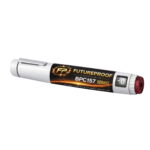
The BPC-157 10mg Pen is a pre-filled research presentation designed to provide laboratories with a convenient format for investigating BPC-157 in controlled experimental environments. The pen format offers an alternative to conventional vial presentations and may simplify routine laboratory handling where a pre-filled delivery format is compatible with the laboratory’s established procedures.
BPC-157 continues to attract scientific interest because of the broad range of biological mechanisms investigated in preclinical research. Published studies have examined the peptide in relation to angiogenesis, vascular signalling, fibroblast activity, extracellular matrix processes, nitric oxide pathways, gastrointestinal biology and musculoskeletal models.
Rather than acting through one isolated biological pathway, BPC-157 has been investigated across several interconnected cellular and molecular systems. This makes it an interesting research material for laboratories studying cellular communication, tissue biology and vascular responses.
The BPC-157 10mg Pen is supplied for laboratory research and analytical purposes only. It is not intended for human consumption, veterinary use, diagnosis, treatment or therapeutic application.
What Is BPC-157?
BPC-157 is a synthetic pentadecapeptide consisting of 15 amino acids. It has been described in the scientific literature as a stable gastric peptide and has become the subject of extensive preclinical investigation.
The peptide has been studied in experimental models involving vascular responses, cellular signalling, gastrointestinal biology, connective-tissue processes and musculoskeletal systems.
Research should be interpreted carefully because much of the BPC-157 literature remains preclinical. Findings observed in laboratory or animal models cannot automatically be translated into established human clinical outcomes.
Recent scientific reviews continue to describe BPC-157 as a peptide of significant experimental interest while emphasizing the need for additional research.
Why Is BPC-157 Research Important?
One reason the BPC-157 10mg Pen attracts laboratory interest is the wide range of biological pathways associated with BPC-157 research.
Investigators have examined the peptide in models involving:
- Angiogenesis and vascular responses
- Fibroblast activity
- Extracellular matrix biology
- Collagen-related processes
- Nitric oxide signalling
- Cellular migration
- Gastrointestinal biology
- Musculoskeletal research
- Tendon and ligament models
- Inflammatory signalling
- Endothelial responses
- Cell-to-cell communication
This breadth makes BPC-157 particularly relevant to researchers investigating how small peptides can influence interconnected biological systems.
BPC-157 and Angiogenesis Research
Angiogenesis refers to the formation of new blood vessels from existing vascular structures. It is an important area of research because vascular development influences numerous biological processes.
Experimental studies have investigated whether BPC-157 can influence angiogenic responses in different models.
For example, research involving muscle and tendon models has examined relationships between BPC-157, vascular development and VEGF-associated signalling. Findings from these models have provided a basis for continued investigation into the relationship between BPC-157 and vascular biology.
However, these experimental findings should not be interpreted as evidence that BPC-157 is an established treatment for vascular conditions.
Fibroblast and Extracellular Matrix Research
Fibroblasts are important cells within connective tissue and participate in the production and organization of extracellular matrix components.
Because of their role in tissue biology, fibroblast activity is an important subject within peptide research.
Studies involving BPC-157 have investigated fibroblast behaviour alongside collagen-related processes and cellular signalling.
This provides researchers with an opportunity to examine how the peptide interacts with cellular mechanisms involved in extracellular matrix biology.
The BPC-157 10mg Pen can therefore be relevant to laboratories investigating peptide interactions with fibroblast-associated pathways and connective-tissue models.
Collagen-Related Research
Collagen is one of the major structural proteins found throughout connective tissue.
Research into BPC-157 has examined collagen-associated biological responses as part of broader investigations into tissue and musculoskeletal biology.
These studies are particularly relevant to experimental models involving:
- Connective tissue
- Tendons
- Ligaments
- Muscle
- Extracellular matrix
- Cellular migration
- Fibroblast activity
It is important to distinguish between investigating collagen-related mechanisms in experimental models and making claims about clinical tissue repair. The latter requires appropriate human clinical evidence.
Nitric Oxide Signalling
Nitric oxide is an important signalling molecule involved in vascular tone and numerous cellular processes.
BPC-157 has been investigated in relation to nitric oxide pathways in experimental systems. Earlier research examined interactions between BPC-157 and nitric oxide-related mechanisms in gastric and vascular models.
More recent laboratory research has continued exploring vascular effects and nitric oxide signalling, including experimental work using human vascular tissue. However, limited human tissue findings should not be interpreted as establishing clinical efficacy or safety.
BPC-157 and Vascular Biology
The relationship between BPC-157 and vascular biology represents another important area of investigation.
Researchers have examined several aspects of vascular response, including:
- Endothelial function
- Vascular signalling
- Angiogenic responses
- Nitric oxide pathways
- VEGF-associated mechanisms
- Microvascular responses
- Cellular responses following experimental injury
These investigations contribute to a broader understanding of how BPC-157 may interact with vascular systems under controlled experimental conditions.
Musculoskeletal Research
BPC-157 has been investigated extensively in experimental models involving musculoskeletal tissues.
Research has included models involving:
- Tendons
- Ligaments
- Skeletal muscle
- Bone
- Connective tissue
- Cellular repair mechanisms
- Vascular responses
The peptide’s interaction with fibroblast activity, extracellular matrix processes and vascular signalling has contributed to interest in these research areas.
Importantly, evidence from animal or cellular experiments does not establish that the same outcomes occur in humans.
Gastrointestinal Biology
BPC-157 was originally associated with gastric peptide research, making gastrointestinal biology an important area of investigation.
Experimental literature has examined BPC-157 in models involving gastric and intestinal tissue, mucosal integrity, inflammatory responses and vascular mechanisms.
Research has also explored relationships between BPC-157 and nitric oxide signalling within gastrointestinal models.
The gastrointestinal literature is therefore an important component of the broader scientific background surrounding BPC-157.
Cellular Signalling Research
Modern peptide research increasingly focuses on interconnected signalling networks rather than isolated biological targets.
BPC-157 has been investigated in relation to multiple signalling mechanisms, including pathways associated with:
- Nitric oxide
- VEGF
- Fibroblast activity
- Endothelial responses
- Extracellular matrix biology
- Cellular stress
- Inflammatory signalling
This makes BPC-157 useful as an experimental subject for researchers interested in how peptide molecules interact with complex cellular environments.
BPC-157 10mg Pen vs Traditional Vial
The primary distinction between a pen presentation and a conventional vial is the physical format and laboratory workflow.
| Feature | BPC-157 10mg Pen | BPC-157 Vial |
|---|---|---|
| Presentation | Pre-filled pen format | Vial presentation |
| Initial preparation | Designed to minimize preparation steps | May require laboratory preparation |
| Handling | Convenient format for compatible workflows | Traditional laboratory format |
| Storage | Follow supplied product specifications | Follow supplied product specifications |
| Research material | BPC-157 | BPC-157 |
The appropriate format depends on the laboratory’s equipment, experimental design, handling procedures and validated protocols.
Convenient Research Presentation
A pre-filled format can be useful for laboratories that prioritize standardized handling and simplified preparation workflows.
Compared with conventional vial-based materials, a pen presentation can reduce the number of preparation stages associated with transferring material into a suitable research system.
This may be particularly useful in laboratory environments where researchers work with multiple experimental samples and seek consistent handling procedures.
The BPC-157 10mg Pen should nevertheless be handled according to the manufacturer’s specifications and the laboratory’s own validated procedures.
Manufacturing and Quality Considerations
High-quality peptide research depends on accurate characterization and consistent manufacturing.
Important quality considerations for BPC-157 research materials may include:
- Peptide identity
- Purity
- Batch consistency
- Analytical characterization
- Appropriate storage
- Packaging integrity
- Traceability
- Documentation
Where applicable, laboratories should review available batch-specific analytical documentation before beginning an experiment.
Purity alone does not establish suitability for a particular experiment. Researchers should consider the complete analytical profile of the material and determine whether it meets the requirements of their experimental system.
Understanding Research-Grade BPC-157
The term “research-grade” should be understood within the context of laboratory experimentation.
It does not mean that a product is approved as a medicine or that published experimental findings establish therapeutic effectiveness.
The BPC-157 10mg Pen is presented as research material for controlled laboratory investigation. Researchers remain responsible for determining whether the material is appropriate for their particular analytical method, experimental model and institutional requirements.
Current Scientific Evidence
BPC-157 has generated a substantial preclinical research literature, particularly involving tissue, vascular, gastrointestinal and musculoskeletal models.
Recent reviews continue to describe evidence involving angiogenesis, collagen-related processes, fibroblast activity, nitric oxide pathways and inflammatory signalling.
At the same time, regulatory assessments emphasize that there is insufficient clinical safety information to characterize the human safety profile of BPC-157 adequately. FDA materials also identify concerns relating to potential immunogenicity and peptide-related impurities for certain proposed routes of administration.
For this reason, the distinction between preclinical research findings and established human clinical evidence is essential.
Regulatory and Safety Considerations
BPC-157 is not an FDA-approved therapeutic product.
In 2026, the FDA evaluated BPC-157-related substances as part of its Pharmacy Compounding Advisory Committee process. The agency’s materials state that there is insufficient clinical safety information to characterize the safety profile of BPC-157 free base and BPC-157 acetate.
The FDA has also noted potential concerns involving immunogenicity and peptide-related impurities for certain proposed routes of administration.
These considerations reinforce the importance of keeping laboratory research materials separate from products represented as approved medicines.
Storage and Laboratory Handling
The BPC-157 10mg Pen should be stored and handled according to the specific specifications supplied with the product and its batch documentation.
Laboratories should:
- Follow the supplied storage requirements.
- Protect the material from unsuitable environmental conditions.
- Maintain appropriate product identification.
- Follow institutional laboratory handling procedures.
- Avoid using material outside its specified research purpose.
- Maintain appropriate batch and experimental records.
Exact storage requirements should always be determined from the product’s current documentation rather than assumed from general peptide-storage practices.
Research Applications
The BPC-157 10mg Pen may be relevant to laboratory investigations involving:
Vascular Biology
Researchers can investigate vascular signalling, endothelial responses and angiogenesis-related mechanisms.
Cellular Biology
BPC-157 provides an experimental model for studying peptide interactions with cellular signalling systems.
Extracellular Matrix Research
The peptide can be investigated alongside fibroblast and collagen-associated biological processes.
Musculoskeletal Models
Researchers may examine BPC-157 within controlled experimental systems involving tendon, ligament, muscle and connective-tissue biology.
Gastrointestinal Research
BPC-157 remains relevant to experimental studies examining gastric and intestinal biological processes.
Molecular Research
Advanced techniques such as molecular profiling, transcriptomics and proteomics may help researchers investigate downstream responses associated with BPC-157 exposure.
Frequently Asked Questions
What is the BPC-157 10mg Pen?
The BPC-157 10mg Pen is a pre-filled research presentation containing BPC-157 for laboratory research and analytical applications.
Is BPC-157 a peptide?
Yes. BPC-157 is described in scientific literature as a synthetic 15-amino-acid pentadecapeptide.
What is BPC-157 researched for?
BPC-157 has been investigated in experimental models involving angiogenesis, vascular biology, fibroblast activity, extracellular matrix processes, gastrointestinal biology, nitric oxide signalling and musculoskeletal research.
Is BPC-157 FDA approved?
No. BPC-157 is not an FDA-approved therapeutic product. Current FDA materials indicate that clinical safety information remains insufficient to adequately characterize its human safety profile.
Is the BPC-157 10mg Pen intended for human use?
No. This product is supplied strictly for laboratory research and analytical purposes and is not intended for human or veterinary use.
What is the difference between a BPC-157 pen and vial?
The principal difference is the presentation and handling workflow. A pen is supplied in a pre-filled format, while a conventional vial may require additional laboratory preparation depending on the experimental protocol.
Does BPC-157 have one established mechanism of action?
No single mechanism fully explains the broad range of experimental observations reported in the literature. Research has investigated several signalling systems and biological pathways.
Does preclinical research prove BPC-157 works in humans?
No. Animal and cellular findings cannot automatically be translated into established human therapeutic effects.
How should the BPC-157 10mg Pen be stored?
Storage should follow the specific manufacturer’s product documentation and batch requirements. Researchers should not rely on generalized storage assumptions when handling laboratory materials.
Important Research Disclaimer
The BPC-157 10mg Pen is supplied strictly for laboratory research and analytical testing.
The information on this page summarizes scientific literature and is provided for educational and research-information purposes only. It does not constitute medical advice or establish any therapeutic indication.
This product is not intended for human consumption, veterinary use, diagnosis, treatment, prevention of disease or therapeutic application.
Researchers and institutions are responsible for complying with all applicable laws, regulations, laboratory procedures and institutional requirements governing the acquisition, handling and use of research materials.
Final Overview
The BPC-157 10mg Pen provides laboratories with a convenient pre-filled research presentation for investigating a peptide that has attracted substantial scientific interest across multiple areas of experimental biology.
Research has explored BPC-157 in relation to angiogenesis, fibroblast activity, extracellular matrix biology, vascular signalling, nitric oxide pathways, gastrointestinal systems and musculoskeletal models.
The growing application of molecular biology, cellular analysis, transcriptomics and proteomics may provide additional opportunities to understand the peptide’s biological interactions.
However, the distinction between experimental evidence and established clinical use remains essential. Current regulatory assessments highlight the limited human safety information available for BPC-157, reinforcing the importance of using this material strictly within an appropriate research and analytical context.
For laboratories seeking a convenient research presentation, the BPC-157 10mg Pen offers an alternative format to conventional vial-based peptide materials while supporting controlled scientific investigation of BPC-157 biology.
BPC-157 10mg Pen BPC-157 10mg Pen BPC-157 10mg Pen BPC-157 10mg Pen BPC-157 10mg Pen BPC-157 10mg Pen BPC-157 10mg Pen BPC-157 10mg Pen BPC-157 10mg Pen BPC-157 10mg Pen BPC-157 10mg Pen BPC-157 10mg Pen BPC-157 10mg Pen BPC-157 10mg Pen BPC-157 10mg Pen BPC-157 10mg Pen BPC-157 10mg Pen BPC-157 10mg Pen BPC-157 10mg Pen BPC-157 10mg Pen BPC-157 10mg Pen BPC-157 10mg Pen BPC-157 10mg Pen BPC-157 10mg Pen BPC-157 10mg Pen


