MOTS-C 40mg Pen – Advanced Research Into Mitochondrial Signalling
The MOTS-C 40mg Pen contains MOTS-C, a 16-amino-acid mitochondrial-derived peptide that has attracted significant scientific interest since its identification in 2015.
MOTS-C is unusual because it originates from a short open reading frame within mitochondrial DNA rather than from a conventional nuclear gene. The original discovery identified a short open reading frame within the mitochondrial 12S rRNA region encoding a 16-amino-acid peptide named mitochondrial open reading frame of the 12S rRNA-c, or MOTS-c.
This unusual genetic origin has made the MOTS-C 40mg Pen relevant to research exploring communication between mitochondria and the rest of the cell.
Mitochondria are traditionally described as cellular organelles responsible for energy production. However, mitochondrial research increasingly recognizes that mitochondria also participate in signalling, stress responses, metabolism, and communication with nuclear pathways.
MOTS-C is one of the peptides that helped expand this area of research.
Research has investigated MOTS-C in connection with:
- Mitochondrial signalling
- Cellular energy metabolism
- AMPK activation
- Skeletal muscle biology
- Metabolic adaptation
- Mitochondrial bioenergetics
- Oxidative stress
- Mitonuclear communication
- PGC-1α-related pathways
- Cellular responses to metabolic stress
The MOTS-C 40mg Pen is supplied for laboratory research and analytical investigation only. It is not intended for human consumption, therapeutic use, or veterinary use.
What Is MOTS-C?
MOTS-C stands for Mitochondrial Open Reading Frame of the Twelve S rRNA type-c.
It is a 16-amino-acid peptide with the sequence:
MRWQEMGYIFYPRKLR
The original 2015 study identified MOTS-c as a peptide encoded by a short open reading frame within mitochondrial DNA. Researchers reported that the peptide was associated with metabolic homeostasis and investigated its relationship with skeletal muscle, the folate cycle, de novo purine biosynthesis, and AMPK activation.
This discovery was scientifically significant because it provided additional evidence that mitochondrial DNA can encode biologically active signalling peptides.
The discovery of MOTS-C therefore contributed to a broader understanding of mitochondrial-derived peptides, sometimes abbreviated as MDPs.
Other mitochondrial-derived peptides investigated in research include Humanin and small humanin-like peptides.
The MOTS-C 40mg Pen provides a research-format presentation of this unusual mitochondrial-derived peptide for controlled laboratory investigation.
MOTS-C 40mg Pen and Mitochondrial-Derived Peptide Research
Mitochondrial-derived peptides represent a relatively new area of molecular biology.
Historically, mitochondrial DNA was primarily understood as encoding a limited number of proteins, ribosomal RNAs, and transfer RNAs required for mitochondrial function.
The discovery of small peptides encoded by mitochondrial DNA expanded this understanding.
MOTS-C became particularly interesting because its biological activity appeared to extend beyond the mitochondria themselves.
Researchers have investigated how MOTS-C may participate in signalling between mitochondrial and nuclear systems.
This area of research is sometimes described as mitonuclear communication or mitochondrial-to-nuclear signalling.
For researchers studying mitochondrial biology, the MOTS-C 40mg Pen therefore provides an opportunity to investigate a peptide that sits at the intersection of mitochondrial genetics, cellular metabolism, and signalling biology.
Why Is MOTS-C Researched?
MOTS-C has attracted research attention because of its reported relationship with cellular metabolic regulation.
The original 2015 research found that MOTS-C affected the folate cycle and de novo purine biosynthesis. These effects were associated with changes in intracellular nucleotide availability and activation of AMP-activated protein kinase, commonly known as AMPK.
AMPK is an important cellular energy-sensing kinase.
When cellular energy availability changes, AMPK can participate in coordinating pathways involved in energy production, nutrient utilization, and metabolic adaptation.
The relationship between MOTS-C and AMPK therefore provides an important research pathway for understanding how mitochondria may communicate information about cellular energy conditions.
The MOTS-C 40mg Pen can be used as a research material in investigations involving these interconnected metabolic pathways.
MOTS-C and AMPK Research
AMPK is one of the most important signalling systems associated with cellular energy sensing.
It responds to changes in the balance between cellular energy requirements and available energy.
Activation of AMPK can influence several metabolic processes, including pathways associated with glucose and lipid metabolism, mitochondrial adaptation, and cellular energy conservation.
The original MOTS-C research connected the peptide with the folate cycle, nucleotide metabolism, and AMPK activation.
Subsequent studies have continued investigating the relationship between MOTS-C and AMPK.
Research published in 2026 examined skeletal muscle mitochondrial bioenergetics and reported that MOTS-C-associated effects involved both AMPK and PGC-1α. The study also investigated mitochondrial reactive oxygen species emission and oxidative stress-related protein damage.
These findings provide additional research interest in the relationship between MOTS-C and cellular energy regulation.
However, these studies should be interpreted as scientific research rather than evidence that MOTS-C is an established treatment for metabolic disease.
MOTS-C 40mg Pen and Skeletal Muscle Research
Skeletal muscle is an important area of MOTS-C research.
The original discovery study identified skeletal muscle as a primary target tissue in its experimental models and investigated relationships between MOTS-C, insulin sensitivity, metabolic homeostasis, and AMPK.
More recent research has continued examining skeletal muscle.
A 2026 study investigated MOTS-C and mitochondrial bioenergetics in skeletal muscle using mouse models. Researchers reported effects involving AMPK and PGC-1α, as well as changes in mitochondrial reactive oxygen species emission and mitochondrial functional parameters.
Another 2026 study examined MOTS-C in primary human skeletal muscle cells exposed to dexamethasone-induced stress. The researchers observed effects on myotube area, Akt phosphorylation, STAT3 activation, and muscle-related molecular markers under the experimental conditions used.
These findings are scientifically interesting, but they should not be interpreted as proof of a clinical benefit in humans.
The MOTS-C 40mg Pen is therefore positioned for laboratory investigation into skeletal muscle biology rather than as a therapeutic product.
MOTS-C and Mitochondrial Bioenergetics
Mitochondrial bioenergetics refers to the processes through which mitochondria generate, store, and manage cellular energy.
A major focus of mitochondrial research is understanding how efficiently mitochondria respond to changing energy requirements.
The 2026 skeletal-muscle study of MOTS-C reported improvements in mitochondrial bioenergetic performance through mechanisms involving AMPK and PGC-1α. Researchers also reported lower mitochondrial reactive oxygen species emission and reduced ROS-associated protein damage in the experimental models.
These findings have expanded scientific interest in MOTS-C beyond general metabolic signalling.
The MOTS-C 40mg Pen may therefore be relevant to laboratory investigations involving:
- Mitochondrial respiration
- Cellular energy production
- Oxidative metabolism
- AMPK signalling
- PGC-1α pathways
- Mitochondrial stress
- Reactive oxygen species
- Skeletal muscle bioenergetics
PGC-1α and MOTS-C Research
PGC-1α is a transcriptional coactivator involved in mitochondrial biology and metabolic adaptation.
It has been studied extensively in skeletal muscle and other metabolically active tissues.
The relationship between PGC-1α and MOTS-C is an increasingly interesting research area.
The 2026 study investigating MOTS-C and skeletal muscle mitochondrial bioenergetics reported that the observed mitochondrial effects depended on both PGC-1α and AMPK.
Other research has also investigated relationships among exercise, AMPK, PGC-1α, and MOTS-C.
This provides a useful framework for studying how cellular energy sensing and mitochondrial adaptation interact.
For laboratories interested in metabolic signalling, the MOTS-C 40mg Pen can therefore serve as a research material for exploring these molecular relationships.
MOTS-C and Mitochondrial-to-Nuclear Signalling
One of the most unusual characteristics of MOTS-C is its involvement in research concerning mitochondrial-to-nuclear communication.
Mitochondria contain their own genetic material, while most cellular genes are located within the nuclear genome.
This creates an important biological relationship between two genetic systems.
Research published in 2018 reported that MOTS-C can translocate to the nucleus under metabolic stress and influence nuclear gene expression through an AMPK-dependent mechanism. The study also investigated interactions with stress-responsive transcription factors and antioxidant response elements.
This finding helped establish MOTS-C as an interesting example of mitochondrial-encoded signalling that may influence nuclear processes.
The MOTS-C 40mg Pen is consequently relevant to research exploring mitonuclear communication and cellular responses to metabolic stress.
MOTS-C and Metabolic Adaptation
Cells constantly adapt to changes in nutrient availability, energy demand, and environmental stress.
Metabolic adaptation allows cells to modify energy production and resource utilization in response to changing conditions.
MOTS-C research has examined how a mitochondrially encoded peptide may participate in this adaptation.
The original work connected MOTS-C with nucleotide metabolism and AMPK activation, while later research has examined its relationships with mitochondrial function, exercise-associated pathways, and cellular stress.
This makes metabolic adaptation one of the central research themes surrounding MOTS-C.
The MOTS-C 40mg Pen can therefore be investigated within experimental models designed to examine changes in energy availability and cellular metabolic signalling.
MOTS-C and Glucose Metabolism Research
Glucose metabolism is another important area of MOTS-C research.
The original 2015 study investigated MOTS-C in relation to insulin sensitivity and metabolic homeostasis in mice. Researchers reported protection against age-related and high-fat-diet-induced insulin resistance under their experimental conditions.
These findings generated additional interest in MOTS-C and metabolic regulation.
Subsequent experimental research has examined relationships between MOTS-C, AMPK, PGC-1α, skeletal muscle, and glucose-related pathways.
However, preclinical metabolic findings should not be interpreted as established human benefits.
The MOTS-C 40mg Pen is intended for scientific research into these mechanisms rather than for treating diabetes, insulin resistance, obesity, or other metabolic conditions.
MOTS-C and Exercise Research
MOTS-C has also become an area of interest in exercise and skeletal muscle research.
Exercise changes energy requirements and stimulates numerous metabolic pathways within skeletal muscle.
Research has investigated whether MOTS-C participates in signalling associated with exercise-induced mitochondrial adaptation.
A 2024 study reported an association between endurance training, MOTS-C secretion, and activation of the AMPK/PGC-1α pathway in experimental research.
The findings contribute to broader research examining how mitochondrial-derived peptides may communicate information about cellular energy demand.
The MOTS-C 40mg Pen may therefore be relevant to laboratory models investigating exercise-associated molecular signalling, mitochondrial function, and skeletal muscle adaptation.
MOTS-C and Oxidative Stress Research
Reactive oxygen species are produced during normal cellular metabolism, including mitochondrial activity.
While controlled ROS signalling can have physiological roles, excessive oxidative stress can affect proteins, lipids, DNA, and cellular structures.
MOTS-C research has investigated relationships between the peptide and oxidative stress-related pathways.
The 2026 skeletal-muscle study reported lower mitochondrial ROS emission and reduced ROS-related protein damage following MOTS-C treatment in experimental models.
Research into these pathways may help scientists understand whether mitochondrial-derived signalling molecules influence how cells respond to oxidative challenges.
Again, these experimental findings do not establish MOTS-C as an antioxidant treatment.
MOTS-C and Cellular Stress
Metabolic stress can occur when cellular energy requirements exceed available resources or when nutrient conditions change significantly.
MOTS-C has been investigated as a signalling molecule that may respond to metabolic stress.
The nuclear-translocation research demonstrated that MOTS-C can move into the nucleus under specific experimental stress conditions and influence gene expression associated with cellular stress responses.
This provides another reason why the MOTS-C 40mg Pen is of interest to researchers studying cellular adaptation.
Potential research areas include:
- Metabolic stress
- Nutrient restriction
- AMPK signalling
- Gene expression
- Mitochondrial adaptation
- Oxidative stress
- Mitonuclear communication
MOTS-C and Mitochondrial Genetics
The mitochondrial origin of MOTS-C distinguishes it from most commonly studied peptide signalling molecules.
The human mitochondrial genome is compact compared with the nuclear genome.
The discovery of MOTS-C demonstrated that short open reading frames within mitochondrial DNA can produce biologically active peptides.
This expanded the concept of the mitochondrial genome from a relatively limited genetic system toward a more complex signalling resource.
Research into MOTS-C therefore intersects with:
- Mitochondrial genetics
- Peptide biology
- Molecular signalling
- Metabolism
- Cellular stress
- Nuclear gene regulation
For laboratories studying mitochondrial genetics, the MOTS-C 40mg Pen represents a particularly interesting research compound because its origin and biological activity connect multiple areas of cell biology.
MOTS-C and Mitochondrial-Derived Peptides
MOTS-C belongs to a broader class of mitochondrial-derived peptides.
This group includes peptides such as Humanin and small humanin-like peptides.
These molecules have contributed to growing interest in the concept that mitochondria can produce signalling molecules capable of influencing processes beyond classical mitochondrial energy production.
Research into mitochondrial-derived peptides has expanded into areas including:
- Metabolic signalling
- Cellular stress
- Mitochondrial function
- Age-related biology
- Skeletal muscle
- Energy metabolism
- Cellular communication
The MOTS-C 40mg Pen provides a research-format presentation of one of the best-characterized members of this emerging peptide category.
MOTS-C 40mg Pen and Peptide Chemistry
From a peptide chemistry perspective, MOTS-C is a relatively short peptide consisting of 16 amino acids.
Its sequence is:
MRWQEMGYIFYPRKLR
The sequence contains several amino acids with different chemical properties, including methionine and tryptophan.
These residues can be relevant to peptide stability and oxidative sensitivity under certain conditions.
For laboratory researchers, peptide chemistry is important because sequence, purity, formulation, temperature, light exposure, moisture, and other environmental variables can affect sample integrity.
The MOTS-C 40mg Pen should therefore be maintained according to its specific storage and handling requirements.
MOTS-C 40mg Pen and Analytical Research
Analytical characterization is an important part of peptide research.
Researchers may evaluate a peptide using analytical techniques designed to investigate:
- Molecular identity
- Purity
- Peptide composition
- Degradation
- Stability
- Related substances
- Batch consistency
Depending on the research objective, techniques such as HPLC and mass spectrometry may be used to characterize peptide materials.
For a research product such as the MOTS-C 40mg Pen, analytical documentation can help researchers understand the characteristics of the material being investigated.
Where batch-specific analytical data are available, researchers should interpret the results according to the method, specification, and laboratory that performed the testing.
Quality Considerations for MOTS-C Research
Research reproducibility depends partly on the quality and consistency of experimental materials.
Important considerations when evaluating a MOTS-C research product may include:
- Confirmed peptide identity
- Batch information
- Purity data
- Analytical characterization
- Storage documentation
- Formulation information
- Manufacturing records where available
The MOTS-C 40mg Pen should be evaluated according to the documentation associated with the specific batch.
A stated purity percentage should always be interpreted alongside the analytical method used to determine it.
MOTS-C 40mg Pen Format
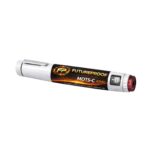
The MOTS-C 40mg Pen is supplied in a prepared pen-based research format.
This presentation provides a compact alternative to conventional peptide containers and is intended to simplify organization within controlled laboratory environments.
The pen format can be useful for laboratories that prefer standardized product presentations.
However, the pen format itself does not establish clinical suitability, therapeutic efficacy, sterility, or regulatory approval.
Those characteristics must be determined from the actual product specifications and documentation.
Storage of MOTS-C 40mg Pen
The MOTS-C 40mg Pen should be stored according to the specific storage conditions provided for the product.
Because peptide stability can be affected by environmental conditions, unnecessary exposure to unsuitable temperatures should be avoided.
General storage considerations include:
- Protect from excessive heat
- Protect from direct light
- Avoid unnecessary temperature fluctuations
- Maintain the recommended storage temperature
- Keep the product in its designated packaging
- Follow batch-specific storage documentation
The presence of methionine and tryptophan within the MOTS-C sequence provides an additional reason to follow appropriate stability and storage procedures.
Researchers should always prioritize the specific storage instructions supplied with the product over generalized peptide-storage recommendations.
Research Applications for MOTS-C 40mg Pen
The MOTS-C 40mg Pen can be relevant to a broad range of laboratory research areas.
Potential applications include:
Mitochondrial Biology
Investigating mitochondrial signalling and mitochondrial-derived peptides.
Metabolic Research
Studying cellular energy metabolism and metabolic adaptation.
AMPK Research
Examining energy-sensing pathways associated with AMPK.
Skeletal Muscle Research
Investigating mitochondrial bioenergetics and cellular responses in muscle models.
Cellular Stress Research
Studying cellular responses to changing nutrient and energy conditions.
Mitonuclear Communication
Investigating communication between mitochondrial and nuclear genetic systems.
Peptide Chemistry
Studying the structure, stability, identity, and analytical characteristics of MOTS-C.
Molecular Biology
Examining gene-expression responses associated with mitochondrial-derived signalling.
Current Research Evidence
MOTS-C has a growing research literature, but the evidence remains primarily experimental.
The original 2015 work established MOTS-C as a mitochondrial-encoded 16-amino-acid peptide and reported metabolic effects in mice.
Subsequent studies have investigated AMPK, PGC-1α, skeletal muscle, mitochondrial respiration, oxidative stress, and nuclear signalling.
Recent 2026 research has expanded the evidence base further, including studies in mouse skeletal muscle and cultured human skeletal muscle cells.
However, these studies do not establish MOTS-C as an approved human therapy.
The MOTS-C 40mg Pen should therefore be positioned around scientific investigation rather than clinical claims.
Important Research Limitations
Although MOTS-C has generated considerable scientific interest, important questions remain.
Researchers continue to investigate:
- Its complete mechanism of action
- Tissue-specific effects
- Pharmacokinetics
- Metabolism
- Stability
- Receptor-independent signalling
- Mitochondrial interactions
- Human biological effects
- Long-term safety
- Translational relevance
Findings from mice, cultured cells, or other experimental models cannot automatically be generalized to humans.
This distinction is especially important when interpreting metabolic research.
For this reason, the MOTS-C 40mg Pen should be presented as an experimental research material rather than a treatment for metabolic or mitochondrial conditions.
MOTS-C Compared With Conventional Peptides
MOTS-C is unusual compared with many commonly studied peptides because of its genetic origin.
Many peptide hormones and signalling molecules are encoded by genes located within the nuclear genome.
MOTS-C is encoded by a short open reading frame within mitochondrial DNA.
This makes it particularly valuable as a research model for understanding how mitochondria communicate with the rest of the cell.
Its research significance therefore extends beyond the peptide sequence itself.
Scientists can use MOTS-C research to investigate questions involving:
- Mitochondrial genetics
- Cellular metabolism
- Energy sensing
- Nuclear gene expression
- Cellular stress
- Skeletal muscle adaptation
Why Choose MOTS-C 40mg Pen?
The MOTS-C 40mg Pen provides researchers with a convenient research-format presentation of a scientifically distinctive mitochondrial-derived peptide.
Key product characteristics include:
- 40mg labelled quantity
- MOTS-C research material
- 16-amino-acid peptide
- Mitochondrial-derived peptide
- Research-focused pen format
- Suitable for controlled laboratory investigation
- Relevant to mitochondrial and metabolic research
- Suitable for peptide and analytical research
The product is intended for qualified research environments where appropriate laboratory procedures and documentation can be maintained.
Frequently Asked Questions
What is MOTS-C?
MOTS-C is a 16-amino-acid mitochondrial-derived peptide encoded by a short open reading frame within mitochondrial DNA.
What does MOTS-C stand for?
MOTS-C stands for Mitochondrial Open Reading Frame of the Twelve S rRNA type-c.
What is the MOTS-C sequence?
The commonly reported sequence is:
MRWQEMGYIFYPRKLR
How much MOTS-C is in the MOTS-C 40mg Pen?
The product is labelled as containing 40mg of MOTS-C.
Why is MOTS-C scientifically interesting?
MOTS-C is unusual because it originates from mitochondrial DNA and has been investigated as a signalling molecule involved in metabolic and mitochondrial pathways.
What pathways are associated with MOTS-C research?
Research has investigated MOTS-C in connection with AMPK, PGC-1α, nucleotide metabolism, mitochondrial bioenergetics, oxidative stress, and mitochondrial-to-nuclear signalling.
Is MOTS-C a conventional hormone?
MOTS-C has been described as a mitochondrial-derived signalling peptide. Its biology differs from conventional peptide hormones with a single clearly defined receptor pathway.
Is MOTS-C naturally occurring?
MOTS-C is a naturally encoded mitochondrial-derived peptide. The MOTS-C 40mg Pen, however, is a manufactured research product and should not be confused with naturally produced MOTS-C within biological systems.
Is MOTS-C FDA approved?
The MOTS-C 40mg Pen is a research product and should not be represented as an FDA-approved therapeutic product.
Is MOTS-C intended for human use?
No. The MOTS-C 40mg Pen is supplied for laboratory research and analytical investigation only.
Is MOTS-C studied in skeletal muscle?
Yes. Skeletal muscle has been an important research model for MOTS-C, including studies investigating AMPK, mitochondrial bioenergetics, PGC-1α, and metabolic adaptation.
Is MOTS-C studied in human cells?
Yes. A 2026 study investigated MOTS-C in primary human skeletal muscle cells under an experimental dexamethasone-induced atrophy model.
Does research prove that MOTS-C causes weight loss?
No. Although animal research has reported effects on obesity and insulin resistance, these findings should not be interpreted as proof of a weight-loss effect in humans.
Why is AMPK important in MOTS-C research?
AMPK is a major cellular energy-sensing pathway. MOTS-C research has investigated how the peptide may influence metabolic pathways associated with AMPK activation.
What is PGC-1α?
PGC-1α is a transcriptional coactivator involved in mitochondrial biogenesis and metabolic adaptation. Recent MOTS-C research has investigated its relationship with AMPK and mitochondrial bioenergetics.
How should the MOTS-C 40mg Pen be stored?
Follow the specific storage requirements supplied with the product. Protect the material from excessive heat, direct light, and unnecessary temperature fluctuations.
Is the pen format evidence of pharmaceutical approval?
No. A pen is simply a product presentation. The format itself does not establish pharmaceutical approval, clinical efficacy, or suitability for human use.
Product Specifications
Product Name: MOTS-C 40mg Pen
Product Type: Research peptide
Compound: MOTS-C
Peptide Class: Mitochondrial-derived peptide
Peptide Length: 16 amino acids
Sequence: MRWQEMGYIFYPRKLR
Labelled Quantity: 40mg
Format: Prepared research pen
Primary Research Areas: Mitochondrial biology, cellular energy metabolism, AMPK signalling, PGC-1α research, skeletal muscle biology, metabolic adaptation, mitonuclear signalling, peptide chemistry
Intended Use: Laboratory research and analytical investigation only
Human Use: Not intended
Veterinary Use: Not intended
Storage: Follow product-specific storage requirements
Research Use Only
The MOTS-C 40mg Pen is supplied exclusively for laboratory research, scientific investigation, and analytical testing.
This product is not intended for human consumption, human administration, therapeutic use, diagnosis, disease prevention, or veterinary use.
Information presented on this page is provided for scientific and product-information purposes and should not be interpreted as medical advice or a recommendation for personal use.
Researchers are responsible for following applicable regulations, institutional requirements, laboratory safety procedures, product documentation, and appropriate handling practices.
Final Overview
The MOTS-C 40mg Pen provides a research-format presentation of MOTS-C, a distinctive 16-amino-acid mitochondrial-derived peptide first identified in 2015.
MOTS-C is scientifically unusual because it is encoded by a short open reading frame within mitochondrial DNA. This discovery helped expand the understanding of mitochondria from purely energy-producing organelles toward active participants in cellular communication and signalling.
Research has investigated MOTS-C in connection with AMPK signalling, nucleotide metabolism, skeletal muscle, metabolic adaptation, mitochondrial bioenergetics, oxidative stress, PGC-1α, and mitochondrial-to-nuclear communication.
Recent 2026 studies continue to expand the scientific literature, including experimental work involving skeletal muscle mitochondrial function and human skeletal muscle cells.
The MOTS-C 40mg Pen is therefore suited to researchers investigating mitochondrial-derived peptides, cellular energy signalling, metabolic biology, skeletal muscle research, and related molecular pathways.
It should be regarded strictly as a research material, with experimental findings interpreted according to the specific model, methodology, and evidence available.
For laboratory research and analytical use only. Not for human or veterinary use.