

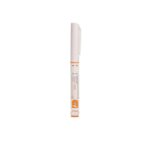
NAD+ 1000mg Pen – Advanced Cellular Research Product
The NAD+ 1000mg Pen is a research-oriented formulation designed for laboratory investigations involving cellular energy metabolism, mitochondrial biology, redox regulation, DNA maintenance, metabolic signalling and ageing-related cellular pathways.
NAD+, or nicotinamide adenine dinucleotide, is one of the most important metabolic coenzymes found throughout living cells. It participates in numerous biochemical reactions that allow cells to transfer electrons, process nutrients and maintain energy-producing pathways.
Unlike a conventional research compound that acts on only one receptor or signalling pathway, NAD+ is involved in a broad network of biochemical processes. It functions as an oxidized coenzyme, NAD+, and can be reduced to NADH. The balance between these forms is fundamental to cellular redox biology and energy metabolism.
The scientific interest surrounding NAD+ has expanded significantly because researchers have identified roles for NAD+ beyond conventional energy production. NAD+ also serves as a substrate for important enzyme families, including sirtuins and poly(ADP-ribose) polymerases, commonly known as PARPs. These enzymes connect NAD+ availability with processes involving DNA maintenance, chromatin regulation, cellular stress responses and metabolic signalling.
The NAD+ 1000mg Pen provides a research-format presentation for laboratories interested in investigating these interconnected biological systems.
What Is NAD+?
NAD+ stands for nicotinamide adenine dinucleotide.
It is a dinucleotide coenzyme consisting of two nucleotide units joined together and containing a nicotinamide component. NAD+ exists throughout living cells and participates in fundamental biochemical reactions.
One of its best-known functions is its role in redox chemistry.
During metabolic reactions, NAD+ can accept electrons and hydrogen equivalents, becoming NADH. NADH can subsequently participate in electron-transfer processes associated with mitochondrial oxidative phosphorylation and ATP generation.
This makes NAD+ central to cellular energy metabolism.
However, energy production is only one part of NAD+ biology.
NAD+ is also consumed by enzymes involved in signalling and cellular maintenance. Research has demonstrated important relationships between NAD+ and:
- Cellular redox balance
- Glycolysis
- Mitochondrial respiration
- Oxidative phosphorylation
- DNA repair
- Sirtuin activity
- PARP activity
- Chromatin regulation
- Gene expression
- Cellular stress responses
- Metabolic signalling
- Cellular ageing
- Calcium-related signalling
Because NAD+ participates in such a broad range of pathways, it has become an important subject in molecular biology, metabolism, mitochondrial research and ageing research.
Why NAD+ Is Important in Cellular Research
The importance of NAD+ comes from its ability to connect several fundamental cellular systems.
Cells need energy to maintain their structure, transport molecules, communicate with neighbouring cells and perform biochemical reactions.
Energy metabolism depends heavily on electron-transfer reactions.
NAD+ participates in these reactions by cycling between oxidized and reduced forms.
The NAD+/NADH relationship is therefore an important component of cellular redox regulation.
At the same time, NAD+ can be consumed by signalling enzymes.
This creates an interesting biological relationship between metabolism and cellular maintenance.
For example, PARP enzymes use NAD+ as a substrate during ADP-ribosylation reactions, while sirtuins also require NAD+ for their enzymatic activity.
Consequently, researchers are interested not only in the absolute amount of NAD+ present in a biological system but also in how NAD+ is produced, transported, consumed and recycled.
This broader concept is often referred to as NAD+ metabolism.
NAD+ and Cellular Energy Production
One of the most established areas of NAD+ research concerns energy metabolism.
Cells obtain energy from nutrients through interconnected metabolic pathways.
These include:
- Glycolysis
- The citric acid cycle
- Fatty-acid oxidation
- Amino-acid metabolism
- Mitochondrial electron transport
- Oxidative phosphorylation
NAD+ participates in several oxidation-reduction reactions within these pathways.
When NAD+ accepts electrons, it is converted into NADH.
NADH can subsequently contribute electrons to mitochondrial electron-transfer processes.
This relationship makes NAD+ highly relevant to studies of mitochondrial energy metabolism.
Research into NAD+ can therefore involve questions such as:
- How does NAD+/NADH balance change under different metabolic conditions?
- How does cellular stress affect NAD+ availability?
- How does mitochondrial activity influence NAD+ metabolism?
- How do different tissues maintain NAD+ pools?
- How does ageing affect NAD+ metabolism?
- How does NAD+ availability influence NAD-dependent enzymes?
The NAD+ 1000mg Pen is therefore relevant to research programs investigating cellular energy systems and metabolic regulation.
NAD+ and Mitochondrial Research
Mitochondria are major centres of cellular energy production.
They generate ATP through oxidative phosphorylation using electron-transfer reactions that depend heavily on redox cofactors.
NAD+ and NADH are important components of this system.
Research has demonstrated that NAD+ metabolism is closely connected to mitochondrial function.
Mitochondrial NAD+ pools are also distinct from NAD+ pools located elsewhere in the cell.
This means researchers increasingly view NAD+ as a compartmentalized metabolic system rather than a single uniform cellular pool.
Studies can therefore examine:
- Mitochondrial NAD+
- Cytosolic NAD+
- Nuclear NAD+
- NAD+/NADH ratios
- Mitochondrial respiration
- Oxidative phosphorylation
- Electron transfer
- Cellular ATP production
- Mitochondrial stress
- Metabolic adaptation
Understanding these relationships may help researchers characterize how mitochondrial function changes under different experimental conditions.
NAD+ and Redox Balance
Redox biology describes the movement of electrons between molecules during biochemical reactions.
NAD+ and NADH are central participants in this system.
The balance between NAD+ and NADH can influence the activity of metabolic enzymes and reflect the metabolic state of cells.
Researchers may therefore investigate NAD+/NADH ratios as indicators of cellular metabolic conditions.
Research into NAD+ redox biology can include:
- Oxidative metabolism
- Electron transfer
- Mitochondrial respiration
- Metabolic stress
- Cellular adaptation
- Oxidative stress
- Redox signalling
- Nutrient metabolism
This makes NAD+ useful for experimental models investigating how cells respond to changing metabolic environments.
NAD+ and DNA Repair Research
One of the most important areas of modern NAD+ research involves DNA maintenance.
NAD+ serves as a substrate for PARP enzymes.
PARPs are involved in cellular responses to DNA damage and can transfer ADP-ribose units derived from NAD+ onto proteins and other targets.
This process is important in signalling pathways associated with DNA damage responses.
Research has identified relationships between NAD+, PARP activity and DNA repair mechanisms, particularly in pathways such as base excision repair.
This has made NAD+ an important subject in genomic stability research.
Laboratories may investigate:
- DNA damage responses
- PARP activation
- Base excision repair
- Chromatin organization
- Genome stability
- Cellular stress responses
- DNA repair signalling
- NAD+ consumption during DNA damage
These pathways illustrate why NAD+ cannot be viewed solely as an energy-related cofactor.
NAD+ and PARP Research
PARP stands for poly(ADP-ribose) polymerase.
PARP enzymes are important NAD+-consuming enzymes.
When certain forms of DNA damage occur, PARP activity can increase.
PARP enzymes use NAD+ to generate ADP-ribose-based modifications that participate in signalling and recruitment of DNA repair machinery.
Because PARP activity consumes NAD+, DNA damage can influence intracellular NAD+ availability.
This creates an important relationship:
DNA damage → PARP activation → NAD+ consumption → cellular metabolic consequences
The exact response depends on the severity and context of the cellular stress.
Researchers studying the NAD+/PARP relationship may therefore investigate how metabolic state and DNA damage responses influence one another.
The NAD+ 1000mg Pen can be relevant to experimental systems designed to investigate these NAD+-dependent signalling pathways.
NAD+ and Sirtuin Research
Sirtuins are another major family of NAD+-dependent enzymes.
Unlike many conventional enzymes, sirtuins require NAD+ as part of their catalytic process.
This creates a direct biochemical connection between cellular energy status and regulatory signalling.
Sirtuins have been studied in relation to:
- Protein deacetylation
- Chromatin regulation
- Gene expression
- Metabolism
- Mitochondrial function
- Cellular stress
- DNA maintenance
- Ageing-related pathways
Because sirtuin activity depends on NAD+, changes in NAD+ availability can influence NAD-dependent signalling.
This is one reason researchers studying healthy ageing and cellular resilience have become increasingly interested in NAD+ metabolism.
NAD+ and Healthy Ageing Research
Ageing research is one of the fastest-growing areas of NAD+ biology.
Research has reported age-associated changes in NAD+ levels across multiple tissues and experimental organisms.
These observations have generated considerable interest in understanding why NAD+ metabolism changes during ageing and what biological consequences may result.
Research areas include:
- Cellular senescence
- Mitochondrial function
- DNA repair
- Metabolic regulation
- Oxidative stress
- Autophagy
- Cellular resilience
- Inflammatory signalling
- Epigenetic regulation
However, it is important to distinguish research interest from established clinical conclusions.
Although NAD+ biology is strongly connected to ageing research, simply describing NAD+ as an “anti-ageing treatment” would overstate the evidence.
The scientific question is more complex.
Researchers are investigating how NAD+ metabolism changes with age and how manipulating different parts of NAD+ biosynthesis, consumption or compartmentalization may affect cellular processes.
NAD+ Metabolism During Ageing
Multiple studies have reported age-associated changes in NAD+ metabolism.
These changes may involve altered NAD+ synthesis, increased consumption, changes in NAD+-dependent enzymes and modifications in metabolic pathways.
Researchers have investigated pathways involving:
- NAMPT
- NMN
- Nicotinamide
- NAD+ salvage
- CD38
- PARPs
- Sirtuins
- NAD+ transport
- Mitochondrial NAD+
A 2026 review highlights that ageing can remodel compartmentalized NAD+ circuits and alter pathways involving sirtuins, PARPs, CD38 and mitochondrial NAD+ transport.
This emerging research emphasizes that NAD+ biology is not simply about increasing a single number.
Instead, researchers need to consider where NAD+ is located, how quickly it is produced and consumed, which enzymes use it and how different tissues regulate NAD+ availability.
NAD+ and Cellular Stress
Cells are continuously exposed to metabolic and environmental stress.
Examples include:
- Oxidative stress
- DNA damage
- Nutrient deprivation
- Mitochondrial dysfunction
- Inflammatory signalling
- Metabolic changes
NAD+ participates in several pathways that respond to these conditions.
PARPs can consume NAD+ during DNA damage responses.
Sirtuins can use NAD+ during protein deacetylation reactions.
Mitochondria require NAD+/NADH cycling for energy metabolism.
This means NAD+ can function at the intersection of multiple stress-response systems.
Research into NAD+ may therefore help investigators understand how cells adapt to changing environments.
NAD+ and Cellular Repair Pathways
Cellular maintenance requires constant repair.
DNA can experience damage from endogenous metabolic processes and environmental stressors.
Proteins can become damaged or improperly modified.
Mitochondrial function can change.
Cellular signalling pathways can also become disrupted.
NAD+ participates indirectly or directly in several systems involved in these processes.
For example, NAD+-dependent sirtuins and PARPs are involved in pathways connected to DNA integrity and cellular maintenance.
Researchers therefore investigate NAD+ as part of a larger network of cellular maintenance pathways.
NAD+ and Gene Regulation
NAD+ metabolism can also intersect with gene regulation.
Sirtuins influence protein acetylation, including modifications involving histones and other regulatory proteins.
PARP activity can influence chromatin structure through ADP-ribosylation.
Because chromatin organization affects gene accessibility, NAD+-dependent enzymes can indirectly influence gene-expression patterns.
Research into these pathways can include:
- Histone modification
- Chromatin structure
- Transcriptional regulation
- Epigenetic signalling
- DNA repair
- Cellular differentiation
- Metabolic gene expression
This is another example of how NAD+ biology extends beyond simple energy production.
NAD+ and Cellular Senescence
Cellular senescence occurs when cells enter a stable state of growth arrest while remaining metabolically active.
Senescent cells can display changes in metabolism, signalling and secretory activity.
Because NAD+ metabolism is connected to cellular stress, DNA repair, mitochondrial function and gene regulation, researchers are investigating how NAD+ pathways interact with senescence.
Areas of investigation include:
- NAD+ availability
- Mitochondrial function
- DNA damage
- Sirtuin signalling
- PARP activity
- Cellular stress
- Senescence-associated pathways
The relationship between NAD+ and senescence remains an active research field.
NAD+ and Autophagy Research
Autophagy is a cellular recycling process in which cells break down and reuse damaged or unnecessary components.
Autophagy is closely connected with cellular metabolism.
Sirtuins have been implicated in the regulation of autophagy-related pathways, creating another connection between NAD+ availability and cellular maintenance.
Research can investigate:
- Autophagic flux
- Mitochondrial quality control
- Cellular recycling
- Nutrient sensing
- Metabolic stress
- NAD+-dependent signalling
This is particularly relevant to ageing research because cellular quality-control systems can change over time.
NAD+ and Mitochondrial Quality Control
Mitochondrial quality control involves processes that help cells identify and manage damaged mitochondria.
Mitophagy, for example, is a specialized form of autophagy involving mitochondrial turnover.
Because mitochondria rely heavily on NAD+/NADH metabolism, NAD+ research can intersect with mitochondrial quality-control studies.
Researchers may investigate relationships between:
- NAD+ metabolism
- Mitochondrial respiration
- Mitophagy
- Oxidative stress
- Cellular energy
- Mitochondrial turnover
These relationships remain important areas of experimental biology.
NAD+ and Metabolic Research
Metabolism involves thousands of interconnected reactions.
NAD+ participates in many of these reactions.
Research involving NAD+ can therefore cover a wide range of metabolic systems, including:
- Carbohydrate metabolism
- Fatty-acid metabolism
- Amino-acid metabolism
- Glycolysis
- Citric acid cycle
- Oxidative phosphorylation
- Redox balance
- Cellular energy production
The NAD+ 1000mg Pen is therefore relevant to researchers investigating how NAD+-dependent processes respond to changes in metabolic conditions.
NAD+ and Brain Research
NAD+ metabolism is also studied in neurological and cellular neuroscience research.
Neurons have high energy demands and depend heavily on mitochondrial function.
Research has therefore examined relationships between NAD+ metabolism, mitochondrial activity, DNA maintenance and neuronal stress.
Potential research topics include:
- Neuronal energy metabolism
- Mitochondrial function
- Oxidative stress
- Cellular resilience
- DNA repair
- Neurodegeneration models
- Cellular ageing
These studies are primarily concerned with biological mechanisms rather than establishing clinical benefits.
NAD+ and Cognitive Research
Interest in NAD+ has expanded into cognitive and neurological research because brain cells require substantial energy and are sensitive to metabolic disruption.
Researchers may examine NAD+-related pathways in experimental models involving:
- Neuronal metabolism
- Synaptic biology
- Mitochondrial function
- Oxidative stress
- Cellular signalling
- Age-associated neurological changes
However, research interest should not be interpreted as proof that a particular NAD+ product improves memory, concentration or mental performance in humans.
Such claims require appropriate clinical evidence.
NAD+ and Immune Cell Research
NAD+ metabolism also intersects with immune-cell biology.
Immune cells undergo substantial metabolic changes when activated.
Because NAD+ participates in energy metabolism and signalling, researchers are examining how NAD+ availability changes during immune responses.
Research may investigate:
- Immune-cell metabolism
- Cellular activation
- NAD+ consumption
- CD38 activity
- Redox balance
- Inflammatory signalling
- Cellular stress
These pathways demonstrate the broad relevance of NAD+ across different biological systems.
NAD+ and CD38 Research
CD38 is an important NAD+-consuming enzyme.
It can influence NAD+ availability by breaking down NAD+ and generating signalling molecules.
CD38 has attracted significant attention in ageing research because changes in CD38 activity may influence NAD+ metabolism.
Researchers can investigate relationships between:
- CD38 activity
- NAD+ availability
- Inflammation
- Ageing
- Cellular signalling
- Calcium-related pathways
This provides another example of why NAD+ homeostasis involves both production and consumption.
NAD+ Biosynthesis and Salvage Pathways
Cells maintain NAD+ through several biosynthetic pathways.
One particularly important mechanism is the NAD+ salvage pathway.
Nicotinamide generated through NAD+-consuming reactions can be recycled through enzymatic processes that contribute to NAD+ regeneration.
NAMPT is a major enzyme involved in this pathway.
Researchers can therefore investigate:
- NAD+ synthesis
- NAD+ salvage
- Nicotinamide metabolism
- NMN formation
- NAMPT activity
- NAD+ consumption
- NAD+ recycling
Understanding these pathways is important for interpreting changes in cellular NAD+ levels.
NAD+ Is More Than an Energy Molecule
One of the most important concepts in modern NAD+ research is that NAD+ has roles beyond energy metabolism.
It can act as:
- A redox coenzyme
- A substrate for signalling enzymes
- A participant in DNA repair pathways
- A regulator of metabolic signalling
- A contributor to chromatin regulation
- A component of mitochondrial biology
This multifunctionality explains why NAD+ has attracted attention across so many research disciplines.
NAD+ 1000mg Pen for Laboratory Research
The NAD+ 1000mg Pen can be considered within research programs examining:
Cellular Energy
Investigate pathways involved in NAD+/NADH cycling and energy metabolism.
Mitochondrial Biology
Study mitochondrial redox processes and oxidative phosphorylation.
DNA Repair
Investigate NAD+-dependent PARP and sirtuin pathways.
Ageing Biology
Examine age-associated changes in NAD+ metabolism.
Metabolic Research
Study carbohydrate, lipid and energy metabolism.
Redox Biology
Evaluate changes in cellular NAD+/NADH balance.
Cellular Stress
Investigate responses to metabolic and environmental stress.
Molecular Signalling
Study NAD+-dependent enzyme activity and downstream signalling.
Research Format and Product Presentation
The NAD+ 1000mg Pen is presented in a pen-style research format.
This format is intended to provide a standardized product presentation for controlled laboratory environments.
Researchers should not assume that a research pen has the same formulation, sterility specifications, concentration, device validation or regulatory status as an approved pharmaceutical product.
Product documentation should always be reviewed before laboratory use.
The stated quantity is 1000mg NAD+, subject to the product’s batch documentation and specifications.
Quality Control Considerations
Quality control is particularly important when studying metabolic compounds.
Research outcomes can be affected by the quality and consistency of experimental materials.
Researchers may consider analytical characterization involving:
- Compound identity
- Purity
- Concentration
- Stability
- Batch consistency
- Degradation products
- Packaging integrity
Depending on the research objective, analytical techniques such as chromatography and mass spectrometry may be appropriate.
Reliable characterization helps laboratories distinguish biological observations from potential material-related variables.
Batch-to-Batch Reproducibility
Reproducibility is fundamental to laboratory research.
If researchers repeat an experiment using materially different research batches, variations in purity or stability could influence the results.
For this reason, researchers should document:
- Batch identification
- Product quantity
- Analytical results
- Storage conditions
- Date received
- Experimental conditions
- Observation period
- Any changes in material appearance or integrity
Maintaining detailed records can improve experimental consistency.
Storage Considerations
NAD+ research material should be stored according to the supplier’s documentation and the laboratory’s validated procedures.
Researchers should consider:
- Temperature stability
- Light exposure
- Moisture
- Container integrity
- Environmental contamination
- Repeated temperature fluctuations
Avoid unnecessary environmental exposure whenever possible.
Exact storage conditions should always be determined from the specific product documentation because stability can vary according to formulation and packaging.
Why Researchers Study NAD+ Availability
NAD+ availability is not static.
Cells continuously synthesize, consume and recycle NAD+.
The balance between these processes can change depending on:
- Cellular energy demand
- DNA damage
- Metabolic conditions
- Age
- Stress
- Enzyme activity
- Tissue type
This dynamic nature is one reason NAD+ metabolism has become such an important research field.
NAD+ and Cellular Resilience Research
Cellular resilience refers broadly to the ability of cells to maintain function when exposed to stress.
Because NAD+ participates in energy metabolism, DNA repair and NAD-dependent signalling, researchers are investigating its relationship with cellular resilience.
Experimental models may examine:
- Metabolic stress
- Oxidative stress
- DNA damage
- Mitochondrial stress
- Nutrient deprivation
- Cellular recovery pathways
These studies can help characterize how cells maintain function under changing conditions.
NAD+ and Oxidative Stress Research
Oxidative stress occurs when reactive species and antioxidant systems become imbalanced.
Mitochondria are major sites of oxidative metabolism and can therefore be closely connected to oxidative stress research.
NAD+/NADH balance is part of the broader redox environment of the cell.
Researchers may examine:
- NAD+/NADH ratios
- Mitochondrial respiration
- Reactive oxygen species
- Antioxidant responses
- Cellular stress signalling
- DNA damage
This makes NAD+ a useful subject for redox biology research.
NAD+ and Protein Regulation
Sirtuins use NAD+ during deacylation reactions.
Through this activity, NAD+ availability can be connected to protein regulation.
Sirtuins have been studied in relation to:
- Histones
- Metabolic enzymes
- Mitochondrial proteins
- Stress-response proteins
- Transcriptional regulators
This creates another connection between cellular metabolism and gene regulation.
NAD+ and Chromatin Research
Chromatin is the structure through which DNA is organized inside the nucleus.
Chromatin accessibility influences whether certain genes can be expressed.
NAD+-dependent enzymes such as sirtuins and PARPs can influence chromatin-associated processes.
Researchers may therefore study NAD+ in relation to:
- Histone modifications
- Chromatin organization
- DNA repair
- Gene expression
- Epigenetic regulation
These areas are especially important in ageing and cellular stress research.
NAD+ and Cellular Communication
NAD+ metabolism also intersects with cellular signalling.
NAD+-consuming enzymes can generate signalling molecules that affect intracellular pathways.
CD38, for example, participates in NAD+ metabolism and calcium-related signalling.
This means NAD+ research can extend beyond energy metabolism into broader cellular communication systems.
Limitations of NAD+ Research
Although NAD+ research is extensive, important limitations remain.
Not every biological observation involving NAD+ translates directly into a clinical outcome.
Experimental findings can depend on:
- Cell type
- Species
- Experimental conditions
- NAD+ concentration
- Tissue compartment
- Age
- Metabolic state
- Disease model
- Duration of observation
For this reason, laboratory results should be interpreted within the specific context in which they were generated.
The existence of a biological mechanism does not automatically demonstrate a therapeutic benefit.
NAD+ Research and Healthy Ageing
Healthy ageing research increasingly examines the interaction between metabolism, mitochondrial function, DNA repair and cellular maintenance.
NAD+ sits at the intersection of several of these systems.
Research has identified relationships between NAD+ metabolism and ageing-associated changes in:
- Mitochondrial activity
- Cellular stress
- DNA repair
- Senescence
- Metabolism
- Epigenetic regulation
A review of NAD+ metabolism and ageing reported that NAD+ levels decline with age in multiple experimental systems and connected NAD+ metabolism with several ageing-related cellular processes.
More recent research emphasizes that NAD+ biology is highly compartmentalized and that timing, tissue and cell type may be important when interpreting NAD+-related interventions.
Future Directions in NAD+ Research
The future of NAD+ research is likely to move beyond simply asking whether NAD+ levels increase or decrease.
Researchers are increasingly interested in:
- Where NAD+ is located
- How NAD+ is transported
- Which enzymes consume NAD+
- How rapidly NAD+ is recycled
- How mitochondrial NAD+ differs from nuclear NAD+
- How ageing changes NAD+ metabolism
- How different tissues regulate NAD+
- How NAD+ interacts with cellular stress
- How NAD+ metabolism influences gene regulation
This more detailed approach may provide a better understanding of the biological significance of NAD+.
Frequently Asked Questions
What is NAD+ 1000mg Pen?
The NAD+ 1000mg Pen is a research-format product containing a stated 1000mg quantity of nicotinamide adenine dinucleotide for laboratory investigation.
What does NAD+ stand for?
NAD+ stands for nicotinamide adenine dinucleotide.
What does NAD+ do in cells?
NAD+ participates in redox reactions involved in metabolism and also acts as a substrate for enzymes involved in signalling, DNA maintenance and cellular regulation.
Is NAD+ involved in energy production?
Yes. NAD+/NADH cycling is central to several metabolic pathways involved in cellular energy production and mitochondrial respiration.
Is NAD+ involved in mitochondrial function?
Yes. NAD+ and NADH are important components of mitochondrial metabolic processes and electron-transfer reactions.
Is NAD+ involved in DNA repair?
NAD+ is used as a substrate by PARP enzymes involved in DNA damage responses and repair signalling.
What are sirtuins?
Sirtuins are NAD+-dependent enzymes involved in processes such as protein deacetylation, metabolic regulation, chromatin biology and cellular stress responses.
What are PARPs?
PARPs are enzymes that use NAD+ as a substrate during ADP-ribosylation reactions and participate in DNA damage responses and cellular signalling.
Why is NAD+ studied in ageing research?
Researchers have identified age-associated changes in NAD+ metabolism and are investigating how these changes relate to mitochondrial function, DNA maintenance, cellular stress and other ageing-associated processes.
Does NAD+ research prove anti-ageing benefits?
No. NAD+ is an important subject in ageing research, but experimental findings should not automatically be interpreted as proof of anti-ageing benefits in humans.
Is the NAD+ 1000mg Pen an approved medicine?
A research-format NAD+ product should not be represented as an approved pharmaceutical medicine.
Is the NAD+ 1000mg Pen intended for human use?
No. This product is presented for research purposes and should not be marketed or represented for human consumption or self-administration.
Can NAD+ research involve mitochondria?
Yes. NAD+/NADH metabolism is closely connected with mitochondrial energy production and redox biology.
Can NAD+ research involve DNA repair?
Yes. NAD+-dependent PARP and sirtuin pathways are important areas of DNA maintenance research.
Can NAD+ research involve metabolic studies?
Yes. NAD+ is involved in numerous metabolic pathways, making it relevant to cellular energy and metabolic research.
Is NAD+ the same as an NAD+ precursor?
No. NAD+ itself is the active coenzyme, while compounds such as nicotinamide riboside and nicotinamide mononucleotide are precursors involved in NAD+ biosynthetic pathways.
Why is NAD+ different from NADH?
NAD+ is the oxidized form, while NADH is the reduced form. Cells continuously cycle between these states during metabolic reactions.
Does NAD+ only function as an energy cofactor?
No. NAD+ also serves as a substrate for signalling enzymes, including PARPs and sirtuins, giving it roles in DNA repair, protein regulation and cellular signalling.
Product Specifications
Product Name: NAD+ 1000mg Pen
Active Compound: Nicotinamide Adenine Dinucleotide
Common Abbreviation: NAD+
Stated Quantity: 1000mg
Format: Research Pen
Research Category: Cellular and Metabolic Research
Primary Research Areas: Cellular energy, mitochondrial biology, redox regulation, DNA repair, sirtuin activity, PARP signalling and ageing research
Intended Use: Laboratory research only
Human Use: Not for human use
Pharmaceutical Equivalence: Not implied
Storage: Follow supplied product documentation and validated laboratory procedures
Research Quality and Reproducibility
The quality of experimental material is an important factor in producing reliable scientific results.
Researchers should consider the identity and characteristics of the material before incorporating it into an experimental model.
Where appropriate, analytical characterization may include:
- Identity testing
- Purity assessment
- Concentration verification
- Stability testing
- Batch comparison
- Degradation analysis
Researchers should also maintain appropriate records of product handling and experimental conditions.
Responsible Laboratory Research
NAD+ is a biologically important molecule, but research products should always be handled within an appropriate laboratory framework.
Researchers should follow applicable:
- Laboratory safety procedures
- Institutional requirements
- Chemical and biological handling procedures
- Storage requirements
- Waste-disposal procedures
- Regulatory requirements
Experimental results should be interpreted according to the specific model and methodology used.
Conclusion
The NAD+ 1000mg Pen is a research-oriented formulation designed for advanced investigations into cellular metabolism, mitochondrial biology, redox regulation, DNA maintenance, NAD-dependent enzymes and ageing-related cellular pathways.
NAD+ is fundamentally important to biological systems because it operates at the intersection of energy metabolism and cellular signalling.
Its role in the NAD+/NADH redox cycle connects it directly with metabolic pathways involved in energy production. At the same time, NAD+ functions as a substrate for enzymes such as PARPs and sirtuins, linking NAD+ availability to DNA repair, chromatin regulation, protein modification and cellular stress responses.
This broad biological significance explains why the NAD+ 1000mg Pen can be relevant to many areas of laboratory research.
Researchers investigating mitochondrial metabolism can examine NAD+/NADH cycling and oxidative phosphorylation.
Researchers studying DNA maintenance can investigate NAD+-dependent PARP signalling.
Researchers studying cellular regulation can investigate sirtuin activity.
Researchers investigating ageing can examine relationships between NAD+ metabolism, mitochondrial function, cellular stress, senescence and DNA maintenance.
The growing field of NAD+ research is also demonstrating that NAD+ biology is highly dynamic. Cellular NAD+ levels depend on synthesis, salvage, consumption, transport and compartmentalization. Different tissues and cellular compartments can maintain distinct NAD+ pools, meaning that biological effects cannot necessarily be understood simply by measuring total NAD+.
For this reason, NAD+ remains an important subject in modern molecular biology and metabolic research.
The NAD+ 1000mg Pen provides a research-format presentation for laboratories investigating these pathways and related cellular mechanisms.
Research Use Only Disclaimer
This product is intended strictly for laboratory research and scientific investigation.
It is not intended for human consumption, self-administration, diagnosis, treatment, prevention or cure of any disease or medical condition.
The information provided on this page is for scientific and educational purposes only and should not be interpreted as medical advice.
The NAD+ 1000mg Pen should not be represented as an approved pharmaceutical product or as a substitute for any prescription medicine.
Researchers are responsible for ensuring that their use of research materials complies with applicable laws, regulations, institutional requirements and laboratory safety procedures.
All experimental work should be conducted by appropriately qualified personnel using suitable laboratory controls, documentation and safety procedures.
NAD+ 1000mg Pen NAD+ 1000mg Pen NAD+ 1000mg Pen NAD+ 1000mg Pen NAD+ 1000mg Pen NAD+ 1000mg Pen NAD+ 1000mg Pen NAD+ 1000mg Pen NAD+ 1000mg Pen NAD+ 1000mg Pen NAD+ 1000mg Pen NAD+ 1000mg Pen NAD+ 1000mg Pen NAD+ 1000mg Pen NAD+ 1000mg Pen NAD+ 1000mg Pen NAD+ 1000mg Pen NAD+ 1000mg Pen NAD+ 1000mg Pen NAD+ 1000mg Pen NAD+ 1000mg Pen NAD+ 1000mg Pen NAD+ 1000mg Pen NAD+ 1000mg Pen NAD+ 1000mg Pen NAD+ 1000mg Pen NAD+ 1000mg Pen NAD+ 1000mg Pen


